Mexican catering beverages deserve more respect than they usually get. Too often, beverage menus are treated like an afterthought, when in reality they shape pacing, refreshment, color, and the overall memory of a meal. In Mexican food culture, traditional drinks are not filler. Aguas frescas, grain-based drinks, and hot classics have long been part of everyday service, from home tables to markets and fondas. That is exactly why the right drink menu can make a catering setup feel complete instead of merely functional.
Horchata
If one drink consistently earns a place on Mexican catering menus, it is horchata. Built from rice and often infused with cinnamon, vanilla, or even nuts depending on the region, it delivers a creamy texture that feels both comforting and refreshing. Its appeal is simple but powerful: sweetness, spice, and softness. When a menu includes chiles, grilled meats, adobos, or richly seasoned rice and beans, horchata cools the palate without disappearing.
For catering, horchata works because it does two jobs at once. It reads as traditional, and it also behaves like a comfort drink for guests who may not know every dish on the menu. That matters at weddings, corporate lunches, school celebrations, and community events where not everyone arrives ready for salsa that means business. It is one of the safest crowd-pleasers because it feels familiar, yet unmistakably con sabor auténtico.
Agua de Jamaica
Agua de jamaica belongs near the top because it brings something horchata cannot: brightness, acidity, and visual drama. Made from steeped hibiscus flowers, it delivers a bold ruby color and a tart profile that cuts cleanly through rich food. It is refreshing in a direct, almost sharp way, which makes it especially strong for outdoor catering and warm-weather events.
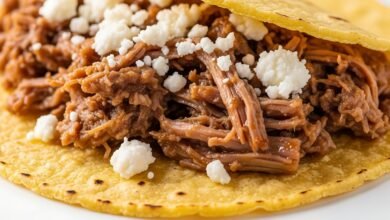
The deeper reason jamaica matters is balance. A catering menu heavy on carnitas, barbacoa, birria, or fried antojitos needs a drink that resets the palate instead of adding more weight. Jamaica does that beautifully. Its tart edge wakes everything up, and its color gives the beverage station instant life, almost like the décor decided to participate. For guests avoiding overly sweet options, this becomes the smart middle ground, no shortcuts, puro sabor.
Agua de Tamarindo
Agua de tamarindo is one of the most strategic additions to a catering lineup because it occupies a flavor space many menus ignore. Tamarind brings a natural sweet-sour complexity with a slightly earthy finish that lingers just enough to stay memorable. It is not immediately predictable, and that is exactly its strength.
In practice, tamarindo pairs exceptionally well with grilled and savory-forward menus. Carne asada, al pastor, or even street-style taco stations benefit from a drink that can stand up to bold seasoning. It invites curiosity. Guests often try it once out of interest and return for a second serving out of preference. This is where things get muy serio, because a well-made tamarindo often becomes the unexpected favorite of the entire event.
Seasonal fruit aguas frescas
Seasonal fruit aguas frescas represent one of the most flexible and culturally grounded elements in Mexican catering. Whether made with watermelon, pineapple, cucumber-lime, cantaloupe, or guava, these drinks bring freshness that feels immediate and generous. They reflect availability, climate, and the informal hospitality that defines everyday Mexican food service.
For catering, this category allows customization without losing authenticity. A summer event might feature sandía or pepino-limón, while a brunch leans toward pineapple or melon. The key is not variety for its own sake, but relevance. When done right, these drinks feel like they belong to the moment. They also elevate presentation. A well-arranged agua fresca station can look like a market display stepped into the event, colorful, inviting, and impossible to ignore.
Atole
Atole earns its place not because it fits every event, but because it represents depth and tradition in Mexican beverage culture. Made from corn and often enriched with piloncillo, cinnamon, or chocolate, it delivers a warm, thick consistency that feels closer to nourishment than refreshment. It is deeply tied to history, ritual, and everyday life.
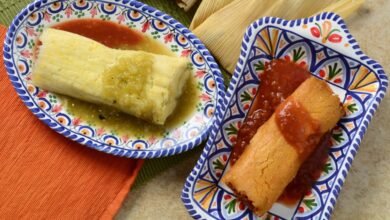
In catering, atole works best in specific contexts. Breakfast events, winter gatherings, holiday celebrations, tamaladas, and cultural programs benefit from its presence. It pairs naturally with tamales and pan dulce, reinforcing a sense of comfort that few drinks can match. In the right setting, it feels almost essential, like the beverage equivalent of abuelita-style care, grounding the entire menu in something real.
The most effective Mexican catering beverage menus are built on contrast. Horchata brings softness and familiarity. Jamaica delivers acidity and color. Tamarindo introduces complexity. Fruit aguas frescas offer adaptability. Atole adds warmth and cultural depth. Together, they show that these drinks are not secondary. They shape the experience, support the food, and quietly define whether a catering setup feels thoughtful or incomplete.